
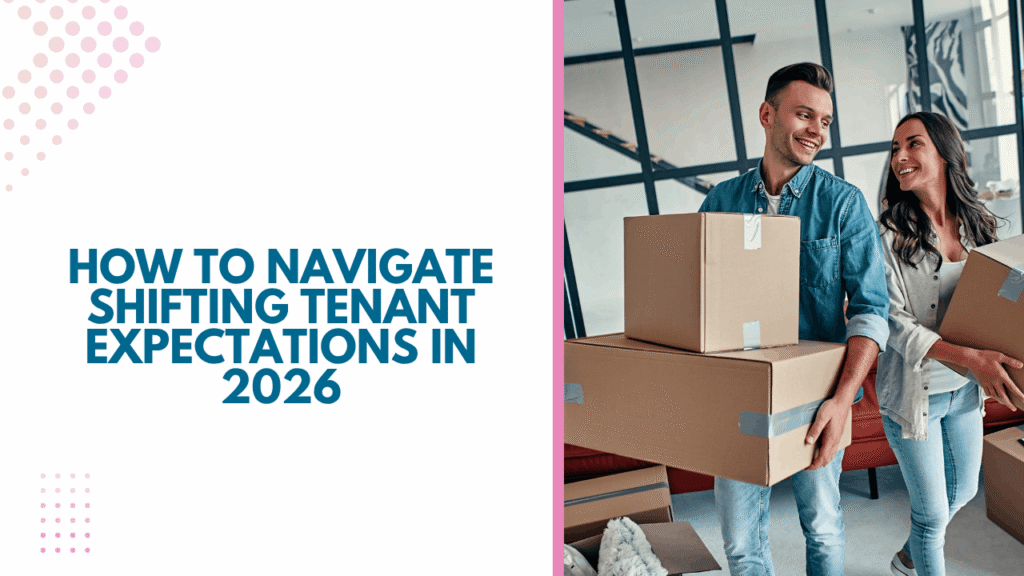
What are tenants looking for in a rental home this year?
They’re looking for more than a home. They want a positive and high-value rental experience.
The fundamental shift is this: tenants are no longer just evaluating properties. They are evaluating living experiences. For rental property owners, especially in competitive markets, adapting to these evolving expectations is essential for maintaining occupancy, minimizing turnover, and protecting long-term returns.
As professional property managers, we work closely with tenants every day. And we can tell you that today, renters are more informed, more selective, and more vocal than ever. Technology, remote work, affordability pressures, and lifestyle priorities have all converged to reshape what tenants expect from their homes and their landlords.
Owners who recognize and respond to these changes can gain a meaningful competitive advantage.
Our Overview:
|
The Rise of the “Experience-Oriented” Tenant
In prior years, tenants primarily focused on price, location, and square footage when choosing a rental home. While those things still matter, and always will, renters in 2026 increasingly prioritize quality of life.
What does that mean? Different things to different people, of course, but here are the general trends we’re seeing:
- Clean, well-maintained units are the minimum of what landlords can provide.
- Tenants expect responsive communication and professional management
- Community feel, privacy, and convenience all influence decision-making
- Tenants prioritize energy efficiency and smart home technology
Owners should think beyond residence experience management, which is becoming just as important as property management. By this we mean that upgrades such as better lighting, modern fixtures, or improved common areas can have a major impact on perceived value.
Demand for Flexible Living Arrangements
The normalization of remote and hybrid work has permanently changed how tenants use their homes. Emerging expectations include dedicated workspaces and home offices. Tenants are seeking flexible lease terms with shorter or renewable options. They might ask for permission to make minor customizations in the home, whether that’s paint colors that they’ve chosen themselves for the walls or shelving. Properties that can accommodate multi-functional living will outperform inflexible layouts.
Technology Is Now Standard in High Quality Rental Homes
Tech has become a core expectation rather than a bonus when tenants are looking for homes. They are increasingly expecting:
- Online rent payment portals
- Digital lease signing
- Maintenance request tracking systems
- Smart home features (keyless entry, smart thermostats)
Investing in property management technology is no longer optional. Operational efficiency improves, but more importantly, tenants perceive your property as modern and easy to live in.
Transparency and Trust Are Critical
Modern tenants expect clarity in all aspects of the rental relationship. They’re looking for:
- Clear fee structures (no hidden charges)
- Transparent maintenance timelines
- Honest property listings that match reality
Transparency reduces conflict and builds trust, which are two factors that directly influence lease renewals. Misaligned expectations at move-in are one of the leading causes of early turnover.
Increased Sensitivity to Value and Affordability
Economic pressures continue to shape renter behavior in 2026. Even high-income tenants are more value-conscious. Here’s what tenants are evaluating:
- Total cost of living (rent + utilities + fees)
- Energy efficiency
- Included amenities vs. added costs
Owners want to emphasize value, not just price.
Sustainability and Environmental Awareness
Environmental considerations are increasingly mainstream in rental markets across California.
Tenant preferences include:
- Energy-efficient appliances
- Recycling and composting options
- Water-saving fixtures
- Proximity to public transportation or walkable areas
Sustainability improvements can reduce operating costs, attract environmentally conscious tenants, and enhance long-term asset value.
Faster Response Times Are Expected
This is an on-demand world, and delays in communication or maintenance are less tolerated by tenants in 2026. They want:
- Same-day or next-day responses to inquiries
- Prompt handling of repair requests
- Proactive updates during delays
Speed is now part of the service offering. Even if an issue cannot be resolved immediately, acknowledgment and communication go a long way in maintaining tenant satisfaction.
Pet-Friendly Policies Are Increasingly Important
Pet ownership has surged, and many tenants consider pets part of the household. We know that pet-friendly properties attract a larger applicant pool while restrictive policies can significantly reduce demand.
Rather than prohibiting pets outright, consider structured policies that include pet screening processes, pet fees or pet rent, and clear guidelines for pet behavior and tenant liability.
Putting It All Together: A Modern Owner’s Approach
To effectively navigate shifting tenant expectations in 2026, rental property owners should adopt a more tenant-centric operating model:
- Treat tenants as long-term customers, not short-term occupants
- Invest in systems that improve communication and efficiency
- Focus on retention as much as acquisition
- Continuously evaluate market expectations and adjust accordingly
The goal is not to meet every demand, but to align your property with the expectations that matter most to your target tenant demographic.
Our FAQs
- Do I need to upgrade my property to stay competitive in 2026?
Not necessarily major upgrades, but incremental improvements, especially in technology, maintenance, and presentation, are increasingly important.
- How important is offering flexible lease terms?
It depends on your market, but flexibility can attract a broader range of tenants, particularly remote workers and younger renters.
- Are smart home features worth the investment?
In many cases, yes. Features like smart locks or thermostats are relatively affordable and can improve both tenant satisfaction and operational efficiency.
- Should I allow pets in my rental property?
Allowing pets can expand your tenant pool significantly. With proper policies in place, risks can be managed effectively.
- How can I improve tenant retention?
Focus on communication, responsiveness, and overall experience. Tenants are more likely to renew when they feel valued and heard.
Rental property ownership in 2026 requires a closer management of tenant expectations. Owners who evolve alongside their tenants will be best positioned to maintain occupancy, reduce turnover, and maximize returns in an increasingly competitive market.
 We can help with this. Please contact us at Bayside Management. We lease, manage, and maintain investment properties in San Mateo and around the Peninsula, including San Carlos, Redwood City, Pacifica, San Bruno, Half Moon Bay, Daly City, Mountain View, Foster City, and Palo Alto.

 Peter Boda
 Jeff Hacker
 Dylan Motchar
 Barbara Boyd
 Joanelle Russell
 Mary Wiegmann
 Joseph DeNoia
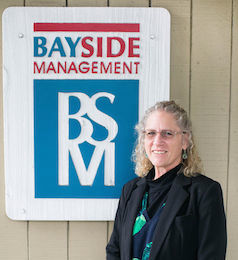 Beth Nagy
 Jasmin Peraza
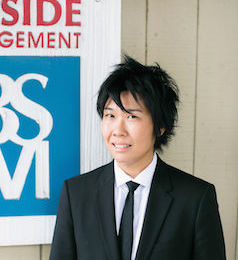 Carmin Wong
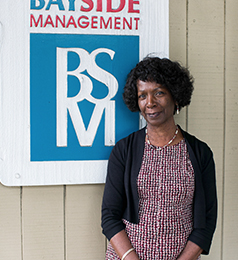 Pauline Smith
 Victoria Taylor
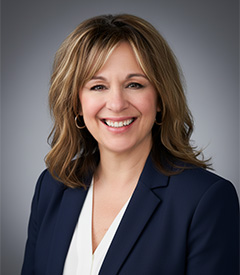 Yvette Perreca
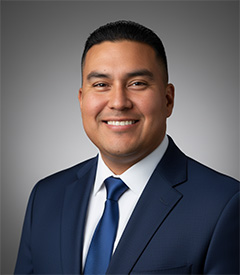 Anthony Fregoso
 Anthony Thompson
 Drew Reischl
 Nick Lange
 Collette Counter
 Justin Barton
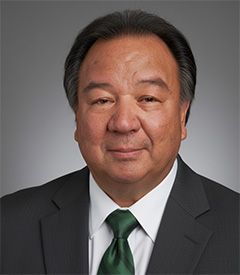 Steve Brunings
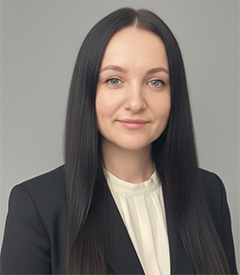 Anastasiia Shiianova