

Will interest rates continue to come down?
For rental property owners and real estate investors in San Mateo, interest rates have been higher than we’d like for at least a couple of years now, and they’re no longer a background consideration. They are a central factor shaping cash flow, investment strategy, and long-term planning.
After years of historically low borrowing costs, the market entered a period where rates fluctuate more frequently and carry greater influence over buying, refinancing, and holding decisions.
While interest rate changes can feel unpredictable, they don’t have to derail your investment goals. Understanding how rate fluctuations affect your property, and knowing how to respond strategically, can help you protect returns, manage risk, and position yourself for long-term success in San Mateo’s competitive real estate market.
Quick Summary:
|
Why Interest Rates Matter So Much in San Mateo
San Mateo’s property values are among the highest in the region, which means most owners and investors rely heavily on financing. Even small changes in interest rates can have an outsized impact on monthly payments, debt service coverage, and overall profitability.
Interest rates influence:
- Monthly mortgage payments
- Cash flow and net operating income
- Property valuations and cap rates
- Buyer demand and exit strategies
- Refinancing opportunities
In a high-cost market like San Mateo, a one-point rate shift can mean thousands of dollars per year in additional expenses or savings.
How Higher Interest Rates Affect Existing Property Owners
For owners with adjustable-rate mortgages (ARMs), rising rates can lead to higher monthly payments once adjustment periods kick in. This can squeeze cash flow, particularly for properties that were underwritten during low-rate periods with minimal margin for increases.
Even owners considering new loans for renovations, ADUs, or portfolio expansion may find borrowing more expensive than anticipated.
When rates rise, refinancing to lower monthly payments will also become harder to justify. Many owners who locked in low fixed rates in prior years may choose to hold rather than refinance, even if they could benefit from pulling out equity. This can limit liquidity and delay planned improvements or acquisitions.
Many rental property owners find more pressure on cash flow when interest rates spike. Higher interest payments directly impact net income. For rental properties with capped rent increases or rent control restrictions, owners may not be able to offset higher debt costs by raising rents quickly. This makes expense management and operational efficiency more important than ever.
Falling or Stabilizing Rates Can Create Opportunity
Interest rate fluctuations sometimes move in a direction that’s more promising for rental property owners. This can be the right time to refinance. When rates stabilize or dip, even modestly, owners may find opportunities to:
- Refinance from adjustable to fixed-rate loans
- Extend loan terms to improve monthly cash flow
- Consolidate debt
- Fund property upgrades that increase rental value
Being prepared allows you to act quickly when favorable conditions appear.
There’s likely to be more buyer demand, too. Lower or stabilized rates often increase buyer confidence, which supports property values. For investors considering selling in the next few years, rate trends can significantly influence timing and pricing strategy.
Interest Rates and San Mateo Property Values: Understanding the Connection
Interest rates and property values are closely linked, but not always in obvious ways.
When rates rise, buyer purchasing power decreases and cap rates may expand slightly. Price growth may slow. But, we also see strong rental demand, limited inventory, and long-term desirability, which can offset these pressures. In many cases, values don’t drop, they simply grow more slowly or plateau temporarily.
For long-term holders, this normalization often has little impact on overall investment performance.
Focus on Operational Performance
When interest rates rise, strong operations matter more than appreciation. This includes:
- Minimizing vacancy
- Reducing turnover costs
- Controlling maintenance expenses
- Improving tenant retention
Well-managed properties weather rate fluctuations far better than marginally performing ones.
Stick to your investment goals, too. For investors looking to grow their portfolio, interest rate fluctuations change how deals pencil out. Higher rates mean lower leverage tolerance and also place a greater emphasis on cash flow over appreciation.
This doesn’t eliminate opportunity, it merely shifts the criteria. Smart investors adapt by targeting properties with strong fundamentals, value-add potential, or operational inefficiencies that can be improved regardless of rate environment.
Long-Term Perspective Matters Most
 One of the biggest mistakes property owners make is reacting emotionally to short-term interest rate movements. Real estate, especially in San Mateo, has always been a long-term investment.
Over time, interest rates move in cycles. Remember that rents tend to rise with inflation and that means loan balances decrease and equity builds through amortization. Owners who focus on fundamentals rather than headlines are better positioned to ride out volatility.
It helps to have a good team of professionals working with you.
Navigating interest rate fluctuations isn’t something owners need to do alone. Mortgage professionals, property managers, and financial advisors can provide insight into timing, risk management, and optimization strategies.
Property managers, in particular, play a key role by maximizing rental income within legal limits and reducing vacancy and turnover. We can also help to control operating expenses.
Strong management can often offset financing pressure more effectively than refinancing alone.
Interest rate fluctuations are now a permanent feature of the investment landscape, and our goal cannot be to predict rates perfectly. Instead, we must build resilience into your investment strategy.
By understanding how rates affect your property, maintaining strong operations, planning conservatively, and staying flexible, you can continue to generate stable returns even in a shifting financial environment.
Please contact us at Bayside Management. We lease, manage, and maintain investment properties in San Mateo and around the Peninsula, including San Carlos, Redwood City, Pacifica, San Bruno, Half Moon Bay, Daly City, Mountain View, Foster City, and Palo Alto.

 Peter Boda
 Jeff Hacker
 Dylan Motchar
 Barbara Boyd
 Joanelle Russell
 Mary Wiegmann
 Joseph DeNoia
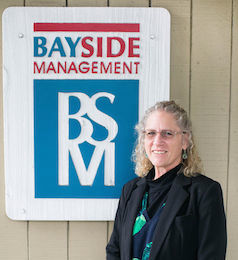 Beth Nagy
 Jasmin Peraza
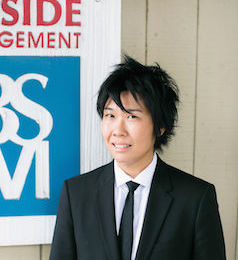 Carmin Wong
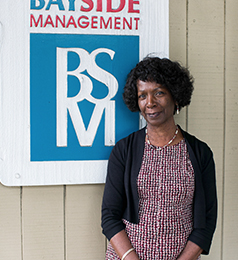 Pauline Smith
 Victoria Taylor
 Yvette Perreca
 Anthony Fregoso
 Anthony Thompson
 Drew Reischl
 Nick Lange
 Collette Counter
 Justin Barton
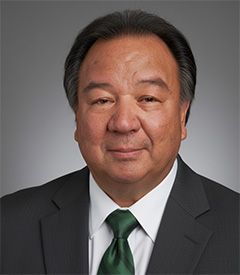 Steve Brunings
 Anastasiia Shiianova