
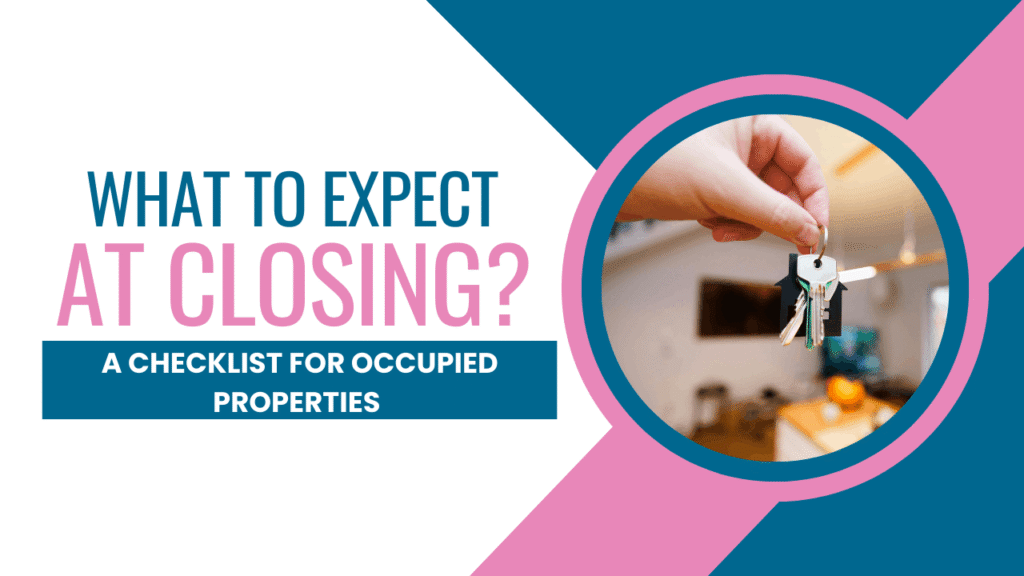
Real estate investors in California need to know that closing on an occupied property involves more than just signing paperwork and transferring funds.
Unlike vacant homes, occupied properties present unique logistical, legal, and financial challenges. Ensuring a smooth closing requires a strategic approach, detailed due diligence, and careful coordination with all parties involved.
That’s how a property management partner can help. We’ll take care of the details, follow the moving parts, and liaise with everyone from the buyer to the seller to the tenant.
Here’s our detailed checklist of what to expect and how to prepare when closing on an occupied property.
Occupied Properties Are Different
Closing on a property with existing tenants is great news in that you already have rental income flowing. However it also introduces complexities that don’t exist with vacant homes. You’re not just acquiring a structure. You’re inheriting existing lease agreements, utility arrangements, maintenance obligations, and the rights of current residents.
California, with its tenant-friendly laws and strict disclosure requirements, places the burden on buyers to understand and respect those existing conditions.
Pre-Closing Due Diligence
Before the closing date, make sure you’ve verified occupancy status. You’ll want to confirm who exactly is occupying the property. It may be a tenant with a valid, long-term lease agreement or someone who is renting month to month. This affects not only how you proceed but also your legal options post-closing.
Request and review all lease agreements, addenda, and tenant estoppel certificates. The estoppel certificate should confirm:
- Monthly rent amount
- Security deposit held
- Lease expiration date
- Terms of any verbal agreements
- Outstanding obligations (e.g., repairs or concessions)
These documents protect you from surprises and clarify the financial and legal obligations you’re inheriting.
Confirm the accuracy of the rents coming in. Compare the seller-provided rent roll with tenant estoppel certificates and bank statements. Look for consistency in rent payments, late fees, and the security deposits held in trust. Inaccurate rent rolls can derail your investment strategy if they don’t match actual income.
Understand Rent Control and Just Cause Laws
Before you buy your occupied property, make sure you are aware of whether it’s included in or exempt from the statewide rent control laws.
California has statewide rent control under the Tenant Protection Act of 2019 (AB 1482), and new owners will have to know the rent increase limits and understand eviction protections.
Schedule Property Inspections
Accessing occupied properties for inspections can be tricky. Under California Civil Code 1954, landlords must give at least 24 hours’ written notice before entering for inspections. Tenants have the right to refuse entry at inconvenient times. Before closing, you’ll want to inspect:
- Interior and exterior condition
- Deferred maintenance
- Code violations
- Pest or mold issues
- Habitability concerns
It’s wise to work with a property manager to coordinate inspections with the tenants to avoid delays and build goodwill.
This is also a good opportunity to evaluate habitability. Occupied units must meet California’s implied warranty of habitability, which includes functional heating, plumbing, and electricity, as well as protection from mold and vermin. Failing to address these prior to closing may expose you to legal claims.
Transfer of Security Deposits
California law (Civil Code § 1950.5) requires the new owner to assume responsibility for all security deposits, even if they weren’t transferred at closing. Make sure the deposit funds are transferred as part of escrow. They should match the amounts stated in the estoppel certificates.
We always recommend holding those deposits in a separate trust account. Keep a clear paper trail to avoid disputes later.
Disclosures and Notices That Need Attention
The seller must disclose:
- Any known habitability issues
- Ongoing tenant disputes
- Pending eviction proceedings
- Any unpaid utility or tax bills
After closing, you’re required to provide tenants with:
- Notice of change of ownership and property management (within 15 days)
- Information about where to pay rent and how to contact you or your property manager
- Confirmation that their lease and deposit terms remain valid
Establishing a good relationship with your tenants can make everything less disruptive for them and for you, as the new property owner.
Review the title report carefully. Occupied properties may carry liens, easements, or covenants related to tenants or third-party service providers. Title insurance can protect you if there’s a problem, but it won’t cover issues you knowingly accept. Clarify all exceptions with the escrow officer or title company.
Post-Closing Transition Tips
 Once the deal closes, notify tenants immediately of the change in ownership. Your notice should include new payment instructions, maintenance request protocols, and an assurance that their lease remains in effect. A friendly, professional introduction goes a long way in reducing tenant anxiety and avoiding friction.
Determine whether you want to retain the existing tenants or begin transitioning the units. Your strategy will depend on just cause eviction laws. You may not be able to remove tenants without a legally valid reason. If you eventually plan to vacate units for renovation or owner move-in, ensure you understand relocation assistance requirements under state and local laws.
Occupied units limit your ability to renovate freely. However, minor repairs and upgrades that don’t interfere with habitability or quiet enjoyment can be done with notice. Plan for upgrades, landscaping, and non-intrusive unit improvements you might be planning.
Closing on an occupied property in California is rarely simple, but it’s a manageable process with the right checklist. Successful investors know that preparation, communication, and compliance are the cornerstones of a smooth closing.
By carefully reviewing leases, verifying tenant claims, and understanding local regulations, you’ll not only avoid costly legal battles—you’ll also protect your investment and reputation.
While each property and situation is unique, this information can serve as a reliable framework to help you navigate your next occupied-property closing with confidence and clarity.
Make sure you’re surrounded by the right experts. For property management support, please contact us at Bayside Management. We lease, manage, and maintain investment properties in San Mateo and around the Peninsula, including San Carlos, Redwood City, Pacifica, San Bruno, Half Moon Bay, Daly City, Mountain View, Foster City, and Palo Alto.

 Peter Boda
 Jeff Hacker
 Dylan Motchar
 Barbara Boyd
 Joanelle Russell
 Mary Wiegmann
 Joseph DeNoia
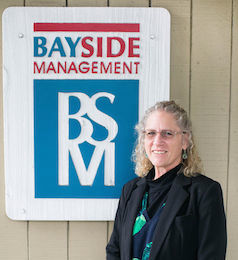 Beth Nagy
 Jasmin Peraza
 Carmin Wong
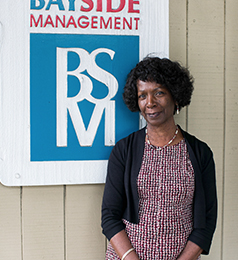 Pauline Smith
 Victoria Taylor
 Yvette Perreca
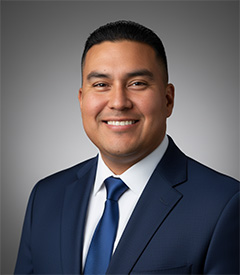 Anthony Fregoso
 Anthony Thompson
 Drew Reischl
 Nick Lange
 Collette Counter
 Justin Barton
 Steve Brunings
 Anastasiia Shiianova